Residential Pest Control Services: What Every Homeowner Should Know

A single line of ants along a baseboard rarely stays a single line for long. The same goes for the faint scratching in an attic corner, the pepper-like specks in a kitchen drawer, or the mosquito problem that seems to get worse every summer no matter how often the yard is sprayed. Homeowners often call for help when a nuisance crosses into a disruption, but by then the job is usually more involved than it first appears.
That is the first thing worth understanding about residential pest control services: the visible pest is often only the symptom. The actual issue may be moisture, food access, structural gaps, clutter, standing water, pet activity, or seasonal pressure from nearby construction or weather shifts. A good service does more than kill what is currently moving. It identifies why the pests are there, how they are getting in, and what conditions are allowing them to stay.
Homeowners who know what to expect tend to get better results. They ask sharper questions, avoid wasted money, and make practical decisions instead of reacting out of frustration. Pest control works best when it is treated less like a one-time product and more like a managed home maintenance issue.
What residential pest control actually covers
Many people use the phrase loosely, but residential pest control services can mean very different things depending on the home, region, and pest pressure. In some neighborhoods, routine service mainly targets ants, spiders, roaches, and occasional invaders like earwigs or silverfish. In other areas, the bigger concern may be termites, rodents, mosquitoes, bed bugs, fleas, ticks, or carpenter ants. A suburban house backing to woods presents a very different service profile than a downtown condo on the fourth floor.
Most standard recurring plans focus on common household pests and exterior prevention. They usually do not include termite treatment, wildlife removal, bed bug work, or major rodent exclusion unless those are added separately. That distinction matters because homeowners often assume “covered” means everything with legs or fur. It rarely does.
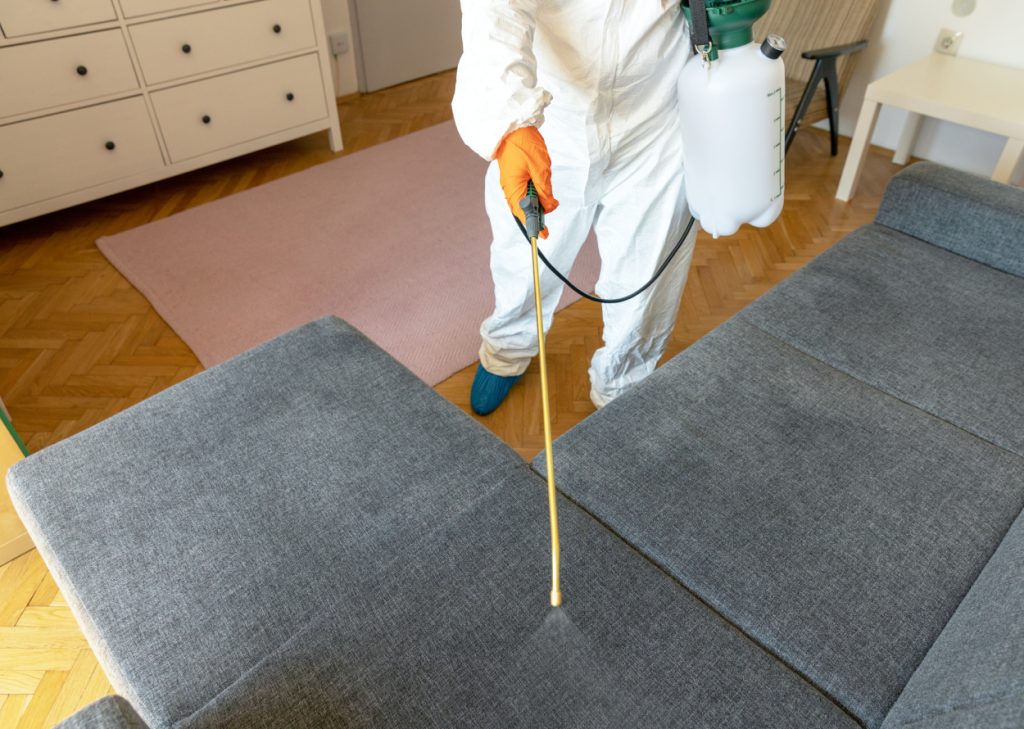
A technician’s work may involve exterior perimeter treatment, inspection of likely entry points, treatment around doors and windows, targeted interior applications if needed, removal of wasp nests within reach, rodent bait station monitoring, and recommendations for sanitation or exclusion. The exact mix depends on both the contract and the property.
The best companies explain the service in plain language. They do not hide behind vague promises such as “full protection” without defining what that means. If the representative cannot clearly tell you what pests are included, how often they return, and what happens if activity continues between visits, keep asking until the answers are specific.
The difference between a spray and a strategy
A homeowner under stress usually wants the fastest fix possible. That is understandable. Nobody enjoys seeing roaches scatter when the kitchen light comes on or hearing mice in a wall at 2 a.m. But urgency can push people toward companies that sell speed rather than judgment.
An experienced technician knows that pests behave differently. Ants may need a baiting approach, not a repellent spray that sends the colony in six directions. German roaches almost always require a combination of sanitation, harborage reduction, targeted baiting, and follow-up. Mice will keep appearing if the entry gap behind the utility line is still open. Termites demand accurate identification and a treatment plan matched to the structure, not a generic “bug treatment.”
That is why the first visit often matters more than any ad or coupon. A serious inspection should include questions about where activity has been seen, when it started, whether it is worse at certain times of day, whether pets are involved, what renovations have been done recently, and whether neighboring homes have had similar issues. Even brief details can be revealing. A customer once described hearing noises only after sunset in a split-level home with a vaulted ceiling. That pointed away from plumbing and toward roofline access. The problem turned out to be flying squirrels entering through a gap at a soffit seam, not rodents at ground level.
The point is not that every service call requires detective work on that scale. It is that proper pest control is diagnostic. When the diagnosis is sloppy, the treatment is often expensive theater.
Why pests show up in homes that seem clean
Clean homes get pests all the time. That surprises people, and sometimes embarrasses them, but cleanliness is only one variable. Pest pressure is more about access, shelter, moisture, and food than about moral virtue.
Roaches, for example, can live behind refrigerators, under dishwashers, and inside wall voids where warmth and moisture collect. Ants may come in during drought because the house has water sources the landscape no longer does. Mice enter in fall because indoor shelter beats cold weather. Spiders follow the insects they feed on. Pantry pests often arrive inside unopened grocery packaging. Bed bugs have little interest in whether the home is tidy. They care about human hosts and hiding places.
There is also a seasonal rhythm to many infestations. The first cold snap often brings rodent calls. Early spring can trigger ant activity. Heavy rain drives pests indoors. Warm winters can extend breeding cycles. When people know these patterns, they stop assuming a problem appeared out of nowhere.
Sometimes the home itself creates the invitation. Decorative stone against a foundation can hold moisture and reduce visibility. Dense mulch can bridge the gap between soil and siding. A garage door seal with a thumb-width opening may as well be an open door for mice. Tree limbs touching a roofline can become insect and rodent highways. None of this means the house is “bad.” It means pest control is inseparable from how buildings age and how landscapes are maintained.
What a good inspection should uncover
Inspection quality separates dependable residential pest control services from basic route spraying. A useful inspection is not just a glance around the perimeter. It should reveal conditions that support pest activity and identify points where treatment alone will not solve the issue.
A technician worth hiring will usually look at foundation lines, door sweeps, utility penetrations, attic or crawl space conditions if relevant, moisture-prone zones, kitchen and bath areas, garage clutter, and any site where droppings, rub marks, frass, webbing, grease trails, shed skins, or nesting material might appear. They should also distinguish between current activity and old evidence. That sounds minor, but it changes the response. Old mouse droppings in a garage cabinet tell a different story than fresh ones with a strong odor near the water heater.
Homeowners benefit from asking the inspector to prioritize findings. Not every crack needs immediate sealing, and not every outdoor spider web requires treatment. The practical question is, what is driving this problem right now, and what actions will have the highest impact?
The clearest answers often fall into a few categories:
- Entry points, such as gaps at doors, vents, pipes, roof intersections, and damaged screens.
- Food and water sources, including pet food, grease buildup, leaking traps, bird seed, and standing water.
- Harborage, such as cardboard storage, overgrown foundation plantings, attic insulation disruption, and wood-to-soil contact.
- Species-specific behavior, which determines whether baiting, trapping, dusting, exclusion, or monitoring makes the most sense.
- Follow-up needs, because some pests require repeated visits to break the life cycle.
If an inspection ends with “we’ll just spray and see,” that is not much of an inspection.
One-time service versus recurring service
Not every pest issue requires an ongoing contract, but many homeowners underestimate how often recurrence is tied to the property rather than to a single incident. A one-time treatment may work well for an isolated wasp nest, a small ant flare-up, or a seasonal spike of occasional invaders. It is less reliable when the home consistently attracts pests because of location, structure, or surrounding vegetation.
Recurring service tends to make sense when pest pressure is predictable. Homes near water, wooded edges, retained moisture, dense landscaping, or high neighborhood turnover often benefit from regular monitoring. The same is true for households with pets, kids who leave food in odd places, detached sheds, or finished basements with low ventilation.
That said, recurring service is not automatically the better value. The quality of the program matters more than the billing frequency. A cheap quarterly visit that amounts to ten rushed minutes and a broad exterior spray may do less than a thorough seasonal approach paired with exclusion work and responsive follow-up.
One practical test is to ask how success is measured. Some companies define success as showing up on schedule. Better ones define it as reduced activity, identified vulnerabilities, and adjustments based on what is actually happening at the property.
Safety, products, and the questions homeowners should ask
Pesticides are tools, not magic, and homeowners should be comfortable asking what is being used and why. Professional use does not automatically mean dangerous, but it also should not be treated casually. The right product in the wrong place is still poor practice.
A responsible technician explains where materials will be applied, whether they are using baits, dusts, liquid treatments, growth regulators, or traps, and what precautions matter for children, pets, aquariums, or sensitive individuals. Sometimes the safest and most effective choice is not a broad application at all. Crack-and-crevice placement, contained bait stations, exclusion, sanitation, and mechanical trapping can solve many problems with minimal exposure.
It is also worth understanding that “odorless” does not mean non-toxic, and “natural” does not always mean low risk. Some botanical products have real utility, especially for certain exterior applications, but they often have shorter residual performance. In practice, the best approach is usually the one that matches the pest, the location, and the household’s tolerance for risk and retreatment frequency.
If someone in the home has asthma, chemical sensitivities, or a medical condition that affects exposure concerns, say so before work begins. Most reputable providers can adjust the plan, but they cannot accommodate information they never receive.
The pests that usually require more than basic service
Some infestations are simply more complex. Homeowners save time and frustration when they recognize that not all pests fit inside a routine plan.
Termites are the classic example. They are stealth pests, often discovered only after a swarm, damaged trim, or a real estate inspection. Effective termite work demands species identification, understanding of construction type, and a treatment method suitable for the structure and soil conditions. The cost is higher because the stakes are higher.
Bed bugs are another category that punishes half-measures. Over-the-counter attempts often spread them further or make professional treatment more difficult. Success usually depends on careful inspection, resident preparation, repeat service or confirmed control methods, and close attention to clutter, textiles, and adjacent rooms.
Rodents sit somewhere in the middle. Many companies offer mouse or rat programs, but true resolution often requires exclusion work that goes beyond setting traps or filling bait stations. If the entry route is still there, the service becomes maintenance rather than correction.
Mosquito control deserves a realistic lens too. Yard treatments can reduce populations, especially when combined with habitat management, but no company can guarantee a mosquito-free property in a wet, warm season. Anyone promising total elimination in an open environment is overselling.
What pricing really reflects
Homeowners naturally compare prices first, but pest control quotes are hard to compare if the scope is not identical. A lower price may reflect less inspection time, fewer included pests, no free callbacks, weaker follow-up, or no exclusion advice. A higher price may reflect actual labor, species complexity, or a technician with stronger diagnostic skill.
The quote should answer a few practical questions. Is this a one-time price or a recurring subscription? Are callbacks included between scheduled visits? Is interior service performed automatically or only on request? Are rodent stations, attic checks, or termite monitoring extra? Does the company charge separately for sealing gaps, trimming vegetation away from the structure, or removing contaminated insulation after a heavy infestation?
Many homeowners also overlook the cost of delay. An ant issue may be mostly a nuisance. A rodent issue can become wiring damage. A termite problem can quietly become structural expense. A roach problem in a multi-unit setting can spread through shared walls and become much more labor-intensive. The cheapest month to act is often the first month you notice a pattern.
How to choose a company without guessing
Online reviews help, but they only tell part of the story. Some customers post after one good interaction; others write only when angry. The stronger approach is to combine reviews with direct questions and pay attention to how the company responds.
Look for clarity, not salesmanship. A good provider is usually willing to say, “This may need more than one visit,” or “That sound in your wall may not be a pest issue, but we can inspect it.” Straight answers are a better sign than exaggerated confidence.
When comparing companies, these questions tend to reveal the difference quickly:
- What pests are included in the standard service, and which ones cost extra?
- How do you inspect for the root cause, not just treat the visible activity?
- If the problem returns between visits, what follow-up is included?
- Do you provide exclusion recommendations or perform sealing work?
- What preparation, if any, does the homeowner need to do before treatment?
Licensing and insurance matter, of course, but the communication style matters almost as much. If scheduling is chaotic before you sign up, service after payment may not improve. If the technician cannot explain the plan in practical terms, accountability later will be difficult.
What homeowners can do between visits
Professional service works best when the home is not fighting against it. That does not mean scrubbing every corner or turning the house into a laboratory. It means addressing the basic conditions pests depend on.
Small changes can make a disproportionate difference. Fixing a slow leak under a sink can reduce roach or ant activity more than another treatment in that https://lanersah871.wordcanopy.com/posts/pest-control-services-for-spiders-silverfish-and-common-household-pests cabinet. Moving firewood away from the exterior wall can reduce harborage near the home. Switching pantry storage from thin cardboard to sealed containers can stop repeated beetle or moth issues. Trimming shrubs so they do not press against siding can reduce hidden pathways.
There is a balance here. Homeowners sometimes become so determined to “do everything right” that they create unrealistic routines. The goal is not perfection. The goal is to remove the obvious advantages pests are currently using. A smart technician should help you distinguish high-value actions from busywork.
When pest control becomes a home maintenance issue
Some of the most stubborn pest problems are really maintenance problems wearing a pest disguise. A crawl space with chronic moisture, a roof leak that dampens insulation, missing mortar around utility penetrations, rotted door trim, failing weatherstripping, or an unsealed chase line behind a stove can all keep inviting pests back.
That is why the most effective residential pest control services often overlap with carpentry, plumbing, roofing, and landscaping recommendations. Not every company performs those repairs, but the better ones know when treatment has reached the limit of what chemistry can solve.
I have seen homes where repeated ant treatments failed for months because water was entering around a poorly flashed back door. I have seen “mouse problems” turn out to be two simple garage gaps and an overflowing bird feeder. I have also seen the opposite, where homeowners spent weeks sealing every visible crack while ignoring a heavy interior infestation that genuinely needed immediate professional intervention. Judgment matters. Pest control is rarely one thing only.
Setting realistic expectations
The right expectations make the process less frustrating. Some pests die quickly after treatment. Others become more visible for a short time as they are displaced from hiding spots. Some require two or three visits because eggs hatch after the initial service. Exterior pest pressure may never drop to zero in certain climates, but it can be kept to a manageable level.
This is where communication earns its value. A professional should tell you what improvement should look like over the next few days, the next two weeks, and the next service interval. If there is a reason activity may temporarily increase, you should hear that before it happens, not after you are alarmed by it.
Homeownership already comes with enough surprise expenses. Pest problems are easier to manage when they are treated as a mix of biology, building science, and routine upkeep rather than as a random invasion that can be solved by product alone. The companies that understand this tend to give better advice, not just faster applications.
For homeowners, that is the real takeaway. Pest control is not merely about killing pests. It is about protecting the conditions that make a house livable, healthy, and structurally sound. When residential pest control services are chosen carefully and used thoughtfully, they become less of an emergency response and more of a practical layer of home care.
Affordable Pest Solutions LLC
Phone number: +19732299547
FAQ About Pest Control Services
How much does pest control charge?
For a standard 1,500-square-foot home, professional pest control charges generally average $100 to $300 for an initial visit, with ongoing monthly services running $40 to $75 per visit and one-time emergency exterminations costing $100 to $600, depending heavily on the specific pest and the severity of the infestation.
What is the hardest pest to get rid of?
Bed bugs are widely considered the hardest household pest to get rid of, closely followed by German cockroaches and subterranean termites.
What is included in a pest control service?
A standard pest control service includes a property inspection, targeted treatments, and prevention advice. It typically covers common pests like ants, spiders, and cockroaches, using sprays, baits, or traps.